OR WAIT 15 SECS
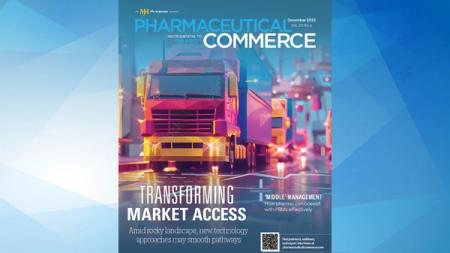
Traditional market access practices are being transformed by an increasingly rocky landscape of rebate, discount, and direct-distribution practices, but artificial intelligence may clear the pathways to profitability.
How pharma can productively coexist with PBMs—and still lower drug costs faster.
As safety data grows in scale and complexity, AI-powered pharmacovigilance is emerging as a strategic imperative—helping drugmakers improve detection, reduce risk, and strengthen commercial performance.
Click here to read the articles and view the interactive digital edition
February 09, 2026
Community pharmacies are being squeezed out of local markets, creating pharmacy deserts that raise costs, reduce access, and strain the healthcare system.
SQ Innovation’s at-home furosemide injection for heart failure–related edema is now available through two of the Big Three drug wholesalers and covered under a Medicaid rebate agreement, expanding access for hospitals, pharmacies, and eligible patients.
These hubs can streamline access, reduce friction across reimbursement and logistics, and improve outcomes, as the CGT pipeline expands and patient demand accelerates.
TrumpRx is meant to reduce drug costs, but Americans are wondering how it works and what impact it will have.
In today’s Pharma Pulse, TrumpRx officially goes live, while Novo Nordisk prepares to take the oral version of Wegovy to the biggest stage in advertising.
February 06, 2026
What 2025 means for the life sciences sector in the New Year.
The new platform offers coupon-driven discounts on dozens of high-cost brand name drugs, while raising new questions about eligibility, access, and how savings are applied.
The commercial PBM model is confronting structural strain as market forces—not regulation—begin to expose the fragility of high-rebate pricing economics.
A four-pillar strategy to help ensure both, as copay programs face mounting payer pressure and misuse in 2026.
In today’s Pharma Pulse, the FTC secures a multi-billion-dollar settlement against the "rebate trap," while Congress provides long-term certainty for the digital health revolution.